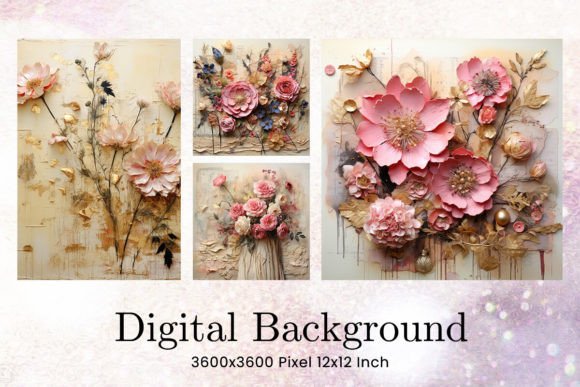
3D Flower Quilling Paper Art Backgrounds for Designers
Elevating Visual Projects with Tactile Elegance
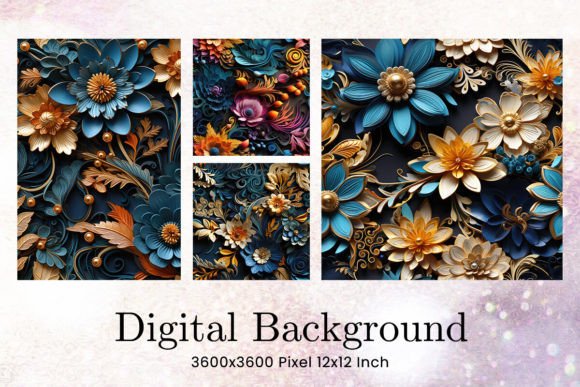
There is a distinct challenge in finding design assets that feel both organic and polished. Many digital backgrounds fall into the trap of looking flat or overly synthetic. The 3D Flower Quilling Paper Art Backgrounds collection offers a sophisticated alternative. These are not merely flat patterns; they are high-resolution scans and renders of intricate paper sculptures. The visual characteristics are defined by depth, shadow, and the subtle curvature of paper strips rolled into floral motifs. The style bridges the gap between modern minimalism and traditional craft, offering a textured foundation that commands attention without overwhelming the content placed upon it.
The appeal lies in the "imperfect perfection" of the medium. Quilling is an art form that requires patience, resulting in organic lines and gentle shadows that cast realistic depth. This creates a visual personality that is warm, luxurious, and artisanal. Unlike generic stock photos, these backgrounds provide a tactile experience through the screen. For a designer, this means you are working with a canvas that already possesses a high level of artistic integrity. The 12" x 12" format at 300 DPI ensures that the details—the tiny ridges of the paper coils and the interplay of light and shadow—remain crisp even when cropped or zoomed for specific sections of a layout.
Strategic Applications in Branding and Marketing
Understanding where these assets perform best is key to maximizing their value. Because this is a DIGITAL FILE specifically formatted for sublimation or graphic design, the applications are vast, spanning both print and digital ecosystems. For entrepreneurs and small business owners, these backgrounds serve as a powerful tool for brand identity. A jewelry brand, a boutique stationery shop, or a high-end cosmetics company can use these textures to evoke a sense of handmade luxury. The intricate floral elements suggest care and attention to detail, qualities that consumers subconsciously associate with premium products.
In the realm of marketing, visual hierarchy is paramount. These backgrounds excel as section dividers in long-form content or as hero images for landing pages. When used in social media graphics, the 3D effect stops the scroll. The depth of the paper art creates a focal point that static colors cannot match. Imagine an Instagram story promoting a new product launch; placing the product on a bed of virtual quilled flowers immediately elevates the perceived value of the item. Furthermore, for packaging design, these files are invaluable. You can print them onto sticker paper, tissue paper, or box inserts to create a cohesive unboxing experience that delights customers and encourages user-generated content.
Practical Integration for Content Creators
For bloggers and publishers, the utility extends to editorial design. A food blog, for instance, might use a soft pastel quilling background for recipe cards, while a wedding planner might use them for digital invitations. The versatility of the JPG format means you can easily import these into Canva, Photoshop, or Illustrator. It is important to remember the technical specifications: the files are 300 DPI. This makes them suitable for high-quality printing, such as creating physical scrapbook paper, greeting cards, or even wallpaper accents. However, for web design, you may need to optimize the file size to ensure fast loading times without sacrificing the visual integrity of the 3D texture.
When considering font pairing, the ornate nature of the background requires a strategic approach to typography. Because the background is busy and textured, you should avoid using a script font or a highly decorative handwritten font for body text, as this will result in visual chaos. Instead, lean towards a clean sans serif font for readability. The geometric simplicity of sans serif letters creates a pleasing contrast against the organic curves of the paper flowers. For headings, a bold serif font can work well, provided the text is large enough to stand out. The goal is to create visual hierarchy where the text floats above the background, aided by subtle drop shadows or semi-transparent overlays if necessary.
Technical Execution and Workflow Optimization
To get the most out of these design assets, it is helpful to treat them as a starting point rather than a finished product. While they are beautiful on their own, professional designers often manipulate them to fit specific brand identity guidelines. For example, you can adjust the hue and saturation in your editing software to match a specific color palette. If the provided colors do not align with your client's brand, a simple "Color Overlay" in Photoshop can shift the mood from romantic pastels to corporate blues or vibrant neons, all while retaining the 3D paper texture.
Another practical consideration is the "Sheet size 12″ x 12″" specification. This is the standard size for digital scrapbooking, but for broader commercial use, you will likely need to adjust the dimensions. In graphic design software, you can easily crop these backgrounds into wide rectangles for website banners or tall, narrow strips for bookmark designs. Because the resolution is high (300 DPI), you have significant leeway to resize without pixelation. This flexibility makes the collection a robust addition to any designer's library of design assets.
Finally, always keep the end-use in mind. If you are using these for sublimation