Timeless Texture: Using Vintage Ephemera Backgrounds
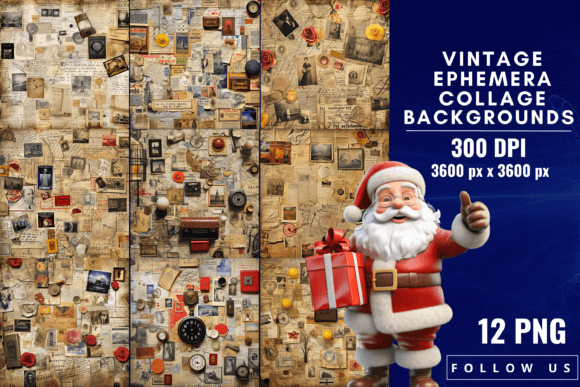
In the fast-paced world of digital design, there is a growing hunger for authenticity and tactile experience. We often find ourselves scrolling through endless feeds of hyper-polished, vector-perfect graphics, feeling a disconnect from the human element. This is where the power of Vintage Ephemera Collage Backgrounds comes into play. These aren't just digital files; they are digital portals. They offer a curated collection of history—aged postcards, timeworn letters, faded stamps, and weathered photographs—layered to create a rich, textured canvas that instantly grounds a design in reality.
The Visual Language of Nostalgia
Understanding the aesthetic of these backgrounds is key to using them effectively. When we talk about Vintage Ephemera Collage Backgrounds, we are referring to a specific visual language characterized by "controlled chaos." Unlike a clean, white background, these collages feature the intricate textures of aged paper, the slight yellowing of time, and the ghost impressions of faded ink. The personality of this style is inherently warm, sentimental, and sophisticated. It whispers stories of the past without shouting for attention.
The appeal lies in the details. A high-resolution background allows you to see the fibers in the paper and the grain of the ink. This level of detail is crucial for modern high-resolution imagery standards. When you place text or a product photo over such a background, you are borrowing that history. You are telling your audience that your brand or project values depth, heritage, and craftsmanship. It transforms a flat, two-dimensional digital space into a three-dimensional environment that feels lived-in and genuine.
Strategic Applications for Modern Creators
While the style is "vintage," the application is incredibly versatile and modern. For graphic designers and brand strategists, these backgrounds serve as a foundational design asset. They are not merely decoration; they are functional tools for establishing mood and hierarchy.
1. Brand Identity and Packaging: For businesses in the artisanal sector—think boutique coffee roasters, handmade soap makers, or bespoke tailors—Vintage Ephemera Collage Backgrounds are a goldmine. Using these as the backdrop for a logo design or product packaging immediately communicates a narrative of quality and tradition. It suggests that the product inside is made with care, much like the artifacts depicted in the background.
2. Editorial and Publishing: In editorial design, such as magazine layouts or book covers, these backgrounds provide a perfect stage for typography. They add a layer of sophistication that a plain color block cannot achieve. Whether you are working on a historical fiction cover or a lifestyle blog header, the texture adds visual interest without overwhelming the content.
3. Digital and Social Media: In the realm of web design and social media graphics, grabbing attention is paramount. A feed full of flat, corporate colors can feel sterile. A post featuring a rich, textured vintage collage stops the scroll. It feels different, organic, and artistic. This is particularly effective for quote graphics, event announcements, or storytelling posts where you want to evoke emotion.
Design Mechanics: Typography and Pairing
The success of using Vintage Ephemera Collage Backgrounds often hinges on one critical decision: typography. Because these backgrounds are visually complex and textured, they demand a thoughtful approach to font pairing.
You generally have two paths to take. The first is contrast. Pairing the organic, chaotic nature of the vintage collage with a clean, geometric sans serif font creates a striking modern-vintage aesthetic. The clean lines of the text ensure readability against the busy background, creating a beautiful tension between the old and the new. This approach works well for web design and social media graphics where legibility on mobile devices is crucial.
The second path is harmony. You can lean into the era by using a serif font with classic proportions or a script font that mimics handwriting. This creates a fully immersive experience, perfect for wedding invitations, vintage-themed cards, or historical illustrations. However, exercise caution: if the background features actual handwriting or dense text, layering more script fonts on top can become illegible. In these cases, use the script font sparingly for headers and a legible serif for body copy.
When evaluating your project fit, consider the "noise" level of the background. A collage with heavy, dark ink strokes requires lighter, bolder text to stand out. A background made of lighter, faded receipts allows for finer, more delicate typography. Always test your visual hierarchy by squinting at your design; if the text disappears into the texture, you need to adjust the contrast, add a subtle drop shadow, or use a semi-transparent overlay.
Practical Implementation and Licensing
For entrepreneurs and small business owners, the practical side of using these assets is just as important as the creative side. When sourcing Vintage Ephemera Collage Backgrounds, you are usually looking for high-resolution files (300 DPI for print, 72-150 DPI for web). This ensures that when you print a banner or a business card, the textures remain sharp and don't pixelate.
It is also vital to understand the usage rights. Most premium design assets come with a license that allows for commercial use, but you must verify if the license covers print-on-demand services or if it is limited to a specific number of prints. Since these backgrounds are often used as the primary visual element in a design, they are considered part of the final artwork, not just a hidden texture.
Finally, look for versatility in the files you choose. The best collections offer variations—perhaps different color tones (sepia, grayscale, cool blue) or different layouts. This allows you to maintain a consistent brand identity across multiple platforms while keeping the visual interest fresh. By integrating Vintage Ephemera Collage Backgrounds into your toolkit, you are not just adding a pretty picture; you are adding a layer of storytelling, emotion, and timeless quality to your creative work.